Chimney Service
& Repair Blog

White House

Signs Your Historic Home Needs a Chimney Restoration

Owning a historic home comes with a unique set of responsibilities and rewards. These properties are a testament to architectural craftsmanship and cultural heritage, but maintaining them requires care and attention—especially when it comes to their chimneys. Over time, chimneys in historic homes can deteriorate, impacting both the safety and aesthetic of the property. Below, we’ll explore the benefits of chimney restoration for historic homes and the key signs that indicate it’s time to undertake this important project.

Benefits of Historic Home Chimney Restorations.

Preserving Architectural Integrity.

Historic homes are cherished for their unique architectural details, and the chimney often plays a significant role in defining the home’s character. Restoring your chimney ensures that its original design and materials are preserved, maintaining the authenticity and aesthetic of your property. Whether it’s a distinctive brick pattern, intricate stonework, or period-specific details, a restoration can bring these features back to their former glory.

Enhancing Safety.

A deteriorating chimney poses several safety hazards. Cracked masonry, unstable structures, or blockages can increase the risk of chimney fires or carbon monoxide leaks. Restoring the chimney addresses these issues, ensuring it operates safely and effectively, particularly if the fireplace is still in use.

Protecting Property Value.

A well-maintained chimney contributes to the overall value of your historic home. Buyers of historic properties often seek authenticity and functionality, and a restored chimney can be a major selling point. Neglecting necessary repairs, on the other hand, can lead to costly problems down the road and potentially lower the value of your home.


Whalehead Club - Corolla, NC - Outer Banks, NC


Indicators That You Need a Chimney Restoration.
Cracked or Missing Mortar.

One of the most common signs that a chimney is in need of restoration is cracked or missing mortar between bricks or stones. Mortar degrades over time, especially in older chimneys, compromising the structural integrity of the chimney and allowing moisture to penetrate.

Spalling Bricks or Stones.

Spalling occurs when moisture seeps into masonry materials, causing them to chip, flake, or break apart. This is a serious issue for historic chimneys, as it can lead to extensive structural damage if left unaddressed.

Leaning or Tilting Chimney.

A chimney that leans or tilts is a clear sign of structural instability. This issue is often caused by a weakened foundation or significant deterioration in the chimney’s materials. Immediate restoration is crucial to prevent collapse or further damage to your home.

Water Damage and Stains.

Water stains on your chimney’s exterior or interior walls, as well as visible signs of rust on the chimney’s metal components, indicate water infiltration. This issue is particularly concerning for historic homes, as prolonged exposure to moisture can weaken the entire chimney structure.

Efflorescence.

Efflorescence appears as white, powdery deposits on the surface of bricks or stones. This is a sign of moisture movement through the chimney, which can lead to structural weakening and eventual spalling if not addressed.

Deteriorated Flashing.

The flashing, which seals the area where the chimney meets the roof, is prone to wear over time. Damaged or missing flashing can allow water to leak into the home, causing further damage to the chimney and surrounding roof structure.

Poor Draft or Smoke Backup.

If your fireplace struggles to draw properly, or if smoke frequently backs up into your home, it could indicate blockages, structural issues, or damaged flue liners. A restoration can resolve these problems and improve the functionality of your chimney.

Schedule Your Chimney Restoration Today.

Protect your historic home and keep it cozy all year long with Capitol Chimney Service. As D.D. and Baltimore’s trusted chimney professionals, we have the experience and tools needed to restore your historic chimney to its original glory. You can learn more about what we offer online, or reach out to schedule your appointment today.
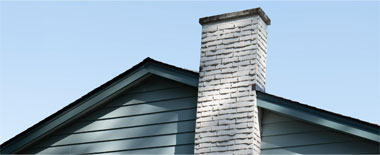
Whether you’re moving into a brand new house or you’ve lived in your home for years, a chimney or fireplace can be intimidating. Aside from a few holiday and winter fires, it’s not something we often think about. However, ignoring your fireplace is not something you should do.

This article will dive into what you need to know if your house has a chimney.

1. Know your chimney type

Not all chimneys are created equal. And knowing which type you have is essential to providing proper maintenance. These are the three main types of chimneys:

  • Single-walled meta: These chimneys take on the shape of a thin metal pipe sticking up through the roof with a circular top. They are most commonly found in older homes since newer buildings favor masonry.
  • Masonry: These are your standard brick chimneys that are typically considered the safest. They often come with a liner pre-installed for proper venting.
  • Pre-fabricated meta: This type is commonly referred to as “factory-built” and is usually used for commercial structures.
2. Keep an eye on the bricks

Fireplaces designed with bricks are engineered to withstand higher temperatures than standard bricks. The type of mortar used is critical to ensure your chimney holds together. However, it isn’t always guaranteed that firebrick or a special heat-resistant mortar was used to build your chimney. Homeowners should keep an eye on their brick to ensure it is not crumbling. If it is, it will likely need to be replaced with the correct materials.

3. Check your venting system

Your venting system, known as a flue, is typically a pipe found on the interior of your chimney liner. It allows smoke and other built-up gasses to exit your home safely. If you notice that your living room is unusually smoky during a fire or find droplets of water in your fireplace, it may be time to get your flue cleaned of debris.

4. Consider installing a chimney liner

Chimney liners help protect your home from heat and flammable materials produced by a fire. If your chimney is unlined, the warmth of a fire can cause nearby belongings to catch fire.

There are three different types of chimney liners you can choose from, although your chimney cleaner and inspector may have a preference for which to install. Clay tile liners tend to work best in open fireplaces. Metal liners are usually used when extensive repairs are needed in existing structures. And cast-in-pace liners are customizable and are a cement unit designed to fit your fireplace’s unique shape.

When you decide to purchase one, size tends to be the most important factor. Consider contacting chimney experts to help you make the right choice for your fireplace.

5. Invest in a chimney cap

A chimney cap can be essential for your fireplace. It’s a vented metal piece that sits inside the top of your chimney and helps prevent unwanted materials from coming inside while still letting smoke escape. It can keep heavy rains from seeping into your chimney and animals from nesting in your fireplace during the colder months.

Contact Capitol Chimney Service for fireplace and chimney inspections!

At Capitol Chimney Service, we provide chimney repairs, inspections, cleaning, and installations in the Washington, D.C. and Baltimore Metropolitan areas. With over 20 years of experience, our chimney experts are here to take on any chimney-related task you may need. Book an appointment with us today by calling (301) 962-0120 (DC Metro Area) or (410) 962-5551 (Baltimore Metro Area), or through our contact form.

As winter turns to spring, it’s time to get your chimney ready for the warmer months ahead. While fireplace usage tends to peak in winter, proper chimney maintenance is crucial year-round.

Preparing your chimney for warm weather prolongs the lifespan of your fireplace so you can continue using it for years to come, bringing style and value to your home.

This blog covers five easy ways to prepare your chimney for spring.

Schedule a professional inspection

The first step to preparing your chimney for spring is to schedule a professional inspection. A trained technician can identify any potential issues that may have arisen during the winter months and ensure your chimney is ready for use when the temperatures drop again.

An inspection can also help identify any safety concerns, such as cracks or damage to the chimney liner, which could lead to hazardous carbon monoxide leaks.


Clean the chimney

Another important step in preparing your chimney for spring is to have it professionally cleaned. Over time debris, ash, and other materials can build up in the chimney, reducing its efficacy and increasing the risk of a fire.

A professional cleaning can help ensure that your chimney is operating at peak efficiency and can reduce the risk of a chimney fire. Cleaning is the bare minimum maintenance essential for safe, consistent fireplace usage.

Replace damaged chimney caps or dampers

Damaged or missing chimney caps and dampers can allow water, animals, and debris to enter the chimney. Any foreign material can cause damage to the structure and operation of your fireplace and reduce the chimney’s efficiency.

By replacing damaged caps or dampers promptly, you can help ensure your chimney remains safe and prolong the lifespan of your chimney so you’re not susceptible to more significant repairs down the road.

Check the exterior of the chimney for damage

Winter weather can cause damage to the exterior of your chimney, such as cracks, chips, or missing bricks. Even substantial problems may not be visible from the ground. Homeowners may be using their fireplace, causing ongoing damage to the chimney structure.

A professional technician will get onto the roof to give your chimney a thorough inspection to identify any damage and make necessary repairs before it becomes a larger issue.

Install a chimney cap if you don’t have one

If your chimney does not have a cap, now is the time to install one. Chimney caps help prevent debris and animals from entering the duct, giving homeowners peace of mind whenever they use their fireplace.

They can also help prevent water from entering the chimney, which can cause damage to the interior of the chimney and the fireplace.

Benefits of preparing your chimney for spring

Following these steps to prepare your chimney for spring, you can help ensure your home remains safe and comfortable year-round.

Regular maintenance can help prevent costly repairs down the road, increase the efficiency of your chimney, and reduce the risk of chimney fires.

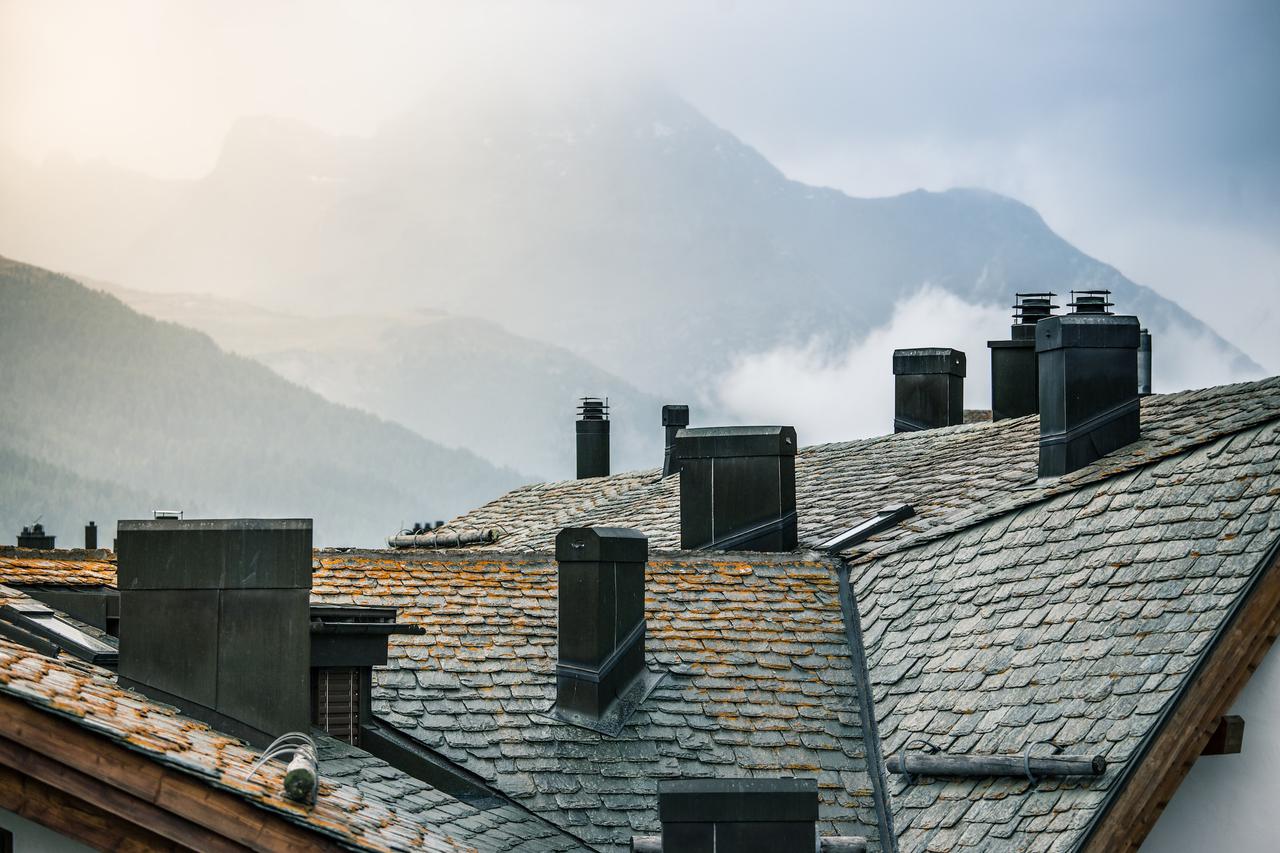
Silvaplana Roofs


More spring and summer services from Capitol Chimney

In addition to these spring maintenance tips, Capitol Chimney Service offers a range of services for homeowners throughout the warmer months. These services include:

  • Troubleshooting and maintenance
  • Fireplace and chimney installation
  • Repairs and rebuilding

The warm months are the perfect time to take care of your chimney to-dos because it won’t affect your enjoyment of your fireplace if it’s out of order for a week.

Schedule a free quote with Capitol Chimney Service to prepare your fireplace for warm weather.

Don’t wait until next winter to think about your chimney’s maintenance.

Professional inspection and cleaning ensure your home is ready for any season. Contact Capitol Chimney Service today for a free quote on chimney maintenance and repair services.

As a homeowner, it’s important to understand the costs associated with maintaining your home and the various systems that make up your property. Especially important is chimney and vent maintenance—which, if not properly cared for, can lead to big problems down the road. That’s why it’s essential to know how much chimney and vent maintenance costs and what services you can expect from a professional chimney service like Capitol Chimney Service in Washington D.C. and Baltimore.

Chimney maintenance cost breakdown

The cost of chimney maintenance will vary depending on several factors such as the type of fuel used to heat your home, the size of your chimney flue, and other relevant details. Generally speaking, though, you can expect to pay anywhere from $200-$500 for a basic chimney sweep or inspection. So you can get a holistic idea of what chimney maintenance entails, below are some details on what goes into cost and what services a professional technician will provide during a typical appointment.

Inspection services

During an inspection, your technician will look for signs of damage or deterioration in the structure and components of your chimney system. This typically includes inspecting all flues and vents for cracks or loose mortar; evaluating any metal liners or insulation; checking for blockages caused by animals or debris; checking inside the firebox for cracks or areas where creosote buildup may be present; and inspecting exterior brickwork for signs of wear-and-tear or water damage. The inspection should also include an analysis of the venting system to ensure proper airflow through the flue pipe.

Chimney sweeping

Following an inspection, you may need a sweeping service as well. This is especially true if there is a lot of creosote buildup in your flue pipe or if there are any large blockages present due to animal activity or other debris. During a sweeping service, technicians use special brushes and vacuums to remove built-up soot and ash from inside your system so that it can function properly again without risk of causing smoke issues or fire hazards in your home. The cost of this service usually ranges between $150-$300 depending on how much work needs to be done on site.

Repair services

If any repairs are needed during an inspection or sweeping service then additional fees may apply depending on how extensive those repairs are as well as how long they take to complete (additional labor charges). Smaller repairs such as replacing mortar joints around flue pipes can usually be handled within an hour while more extensive repairs such as relining entire sections of pipe may require multiple hours worth of labor at additional cost per hour billed after completion (or after each hour worked). Additionally, you may need new parts installed which could add additional costs onto your final bill depending on what kind of materials you need (e.g., stainless steel vs galvanized steel).

Dryer vent cleaning cost

One of the most essential steps in chimney maintenance is dryer vent cleaning. Dryers are a common source of household fires and the risk is incredibly high if they are not properly maintained. At Capitol Chimney Service, we offer dryer vent cleaning to keep your home clean and safe. Unsure what exactly that is? Dryer vent cleaning is the process of removing dryer dust and general debris that can build up both in the filter and in the dryer vents in your home. These vents often become clogged over time preventing your dryer from venting properly—and without proper ventilation you’re at high risk for fires and other issues. Reach out to our team at Capitol Chimney Service for more info!

Get in touch with Capitol Chimney Service to learn more about dryer vent cleaning cost!

With all that said, it’s important to understand that regular maintenance is key when it comes to keeping your chimney system running properly throughout its lifetime—so don’t put off scheduling an appointment with a professional service provider near you. At Capitol Chimney Service in Washington D.C and Baltimore we offer comprehensive inspections and sweepings combined with expert repair services at competitive prices—so don’t hesitate to reach out if you’re in need! With our help, we can keep your home safe & warm throughout the winter months without worry about costly surprises waiting down the road!

Wood-burning fireplaces can create a nice ambiance in your home with a warm, crackling fire. But they require a lot of maintenance and upkeep, can be expensive, and release potentially harmful chemicals in your home from the soot and ash it creates. The great news is that wood-burning fireplaces aren’t your only option if you’re looking to replace your current fireplace or install a brand-new one in your home.

Here are some options that will allow you and your family to stay cozy this winter.

1. Electric fireplace

Electric fireplaces are a great alternative to wood-burning fireplaces for many reasons. They require no installation and only need to be plugged into a wall outlet to start doing the job. On top of any easy installation, there are many other benefits to electric fireplaces, including the following:

  • Fume free. Because electric fireplaces have no real flames and rely on electricity to operate, you can get warmth immediately without inhaling any potentially toxic fumes. They also come with lighting and sculpted logs to create the aesthetic of a traditional fireplace.
  • Energy efficient. During the winter, it doesn’t take much to raise your energy bill. Electric fireplaces can work as a large space heater, keeping certain areas of your home warm without the need to fire up the furnace.
  • Easy installation. The great thing about electric fireplaces is that there’s no need for a heavy remodel. Setting up an electric fireplace is as easy as setting it up near a wall and an electrical outlet.
  • Low maintenance. You no longer have to worry about the hassle of cleaning ash and soot from your chimney. That’s because real wood is not being burned, eliminating most maintenance and upkeep.
2. Gas fireplaces

If you’re looking for something that offers the best of both worlds, a gas fireplace may be your best option. Ceramic faux logs are designed to look realistic, even including glowing embers and bark to increase their authenticity. They can also generate heat without burning real wood, so you can still avoid the soot, ash, and fumes that a wood-burning fireplace produces.

Here are the advantages of a gas fireplace:

  • Convenient usage. Most gas fireplaces have remotes that allow you to start and stop the fire immediately. Some even have timers to enable users to set how long they want the fireplace to stay on.
  • Several installation options. With a wood-burning fireplace, you’re restricted on places to remodel or move the fireplace due to the chimney. Gas fireplaces offer flexibility in their location, so you can choose where it goes, whether that’s in your living room or the basement.
  • Clean alternative. Natural gas does not leave behind any harmful residues and requires little to no cleaning in between uses to function correctly.
  • Adjustable temperature. You can set the amount of flame from your gas fireplace, allowing you to adjust the temperature easily.
Get in touch with Capitol Chimney Service to learn more about gas log fireplace inserts.

Are you looking for the perfect touch to make your home feel complete? Why not add a cozy fireplace and turn it into an inviting focal point within the decor? Plus, nothing beats having the comfort of warmth on chilly nights.

If you’re considering gas fireplaces, look no further than Capitol Chimney Service—our gas log fireplace installation service will ensure your gas fireplace is installed safely and correctly! We bring more than 20 years of experience to help you find the perfect gas or electric model for your home.

So get in touch with us today by calling (301) 962 0120 (DC Metro Area) or (410) 962-5551 (Baltimore Metro Area).

According to the National Fire Protection Association (NFPA), your chimney should be professionally inspected and cleaned yearly. The reason is that keeping up with regular chimney maintenance and annual inspections decreases the risk of accidents, damage, and loss of life caused by chimney fires. Chimney fires can go undetected because they are often slow-burning and start inside the chimney. However, the fire can be potentially damaging and result in explosions, high flames, and dense smoke that could affect your entire home and put your family at risk.

This article will discuss the signs that you may have creosote build up in your chimney.

What is creosote?

Creosote is a black or brown residue that forms from wood-burning fires inside a fireplace. It can be crusty, flaky, drippy, sticky, shiny, or hard. Each form of creosote is highly flammable and combustible, making it unsafe. When creosote builds up in your home’s chimney or fireplace, it can cause damaging fires.

Typically, creosote is created when wood burns and smoke moves up the chimney and out of your home. The condensation from the rising heat sticks to the inside of the chimney. Creosote buildup increases when the air supply is restricted in the chimney, the temperature is cooler than normal, and unseasoned wood is used to make a fire. When too much buildup occurs, chimney fires can go undetected until they spread.

Signs of creosote buildup

Here are some signs of creosote buildup to look out for:

  • Reduced drafting in the fireplace
  • Less ash and more wood in the fireplace after a fire
  • Black soot in and around the fireplace
  • Very dark smoke from the chimney
  • Visibly see more than ⅛ of an inch of soot build-up
How to reduce the buildup of creosote

There are three main ways to ensure that creosote does not build up in your chimney. First, you will want to ensure your chimney has adequate airflow before you start a fire. To do this, open the chimney’s damper so the heated smoke can move up and out quickly. The longer the smoke is trapped inside your chimney, the more creosote can build up.

In addition, using unseasoned wood in an indoor fireplace can cause creosote buildup. This happens because unseasoned wood takes more energy to start and burn at first because water trapped inside the wood burns off. Overfilling your fireplace with wood can also increase creosote buildup.

In addition to these steps, you can also make sure that there is no creosote buildup by ensuring your chimney is inspected annually and keeping up with regular maintenance and cleaning.

How to know when it’s time to clean your chimney

Homeowners must schedule an annual chimney inspection and professional cleaning if needed. Here are some signs to look for to know if your chimney needs cleaning:

  • Black oily spots on the inside of the fireplace
  • Fires are harder to start and keep going
  • Animal or pest activity
  • More odor is coming from the fireplace than usual

The black, oily residue found in a chimney is creosote buildup. If there is too much built-up, it can hinder the escape of smoke from the fire and impact how well the fire burns.

Get in touch

With over 20 years of experience, Capitol Chimney Services is the DC area’s one-stop specialist for all chimney repairs. We pride ourselves on our customer relationships and the personalized service we provide for each repair.

So, we’ll keep your home warm and safe whether you need a chimney repair, inspection, cleaning, or installation. Book your chimney appointment today!

Have you thought of adding a lovely fireplace to your home? It’s an easy and practical upgrade that can instantly create a cozier atmosphere, perfect for chill evenings at home. But what kind of fireplace should you choose—gas or electric?

Capitol Chimney Service is here to guide you in making an informed choice. With decades of experience under our belts, homeowners in the Washington D.C./Baltimore Metropolitan area turn to us for reliable chimney services, which include gas log fireplace installation.

Without further ado, let’s review the pros and cons of gas and electric fireplaces.

Pros of Gas Fireplaces
  • Offers ease and convenience — In just a few seconds, gas fireplaces can be lit with the flip of a switch or by pushing a button.
  • Requires low maintenance — With gas fireplaces, there’s no need for regular cleaning or chimney sweeps—you only have to ensure that your venting system is clean and clear from any obstructions so fresh air can flow freely.
  • Reduces environmental footprint — Gas burners create fewer emissions and pollutants into our environment, which means less harm to our planet!
Cons of Gas Fireplaces
  • Requires gas to run — The main downside to gas fireplaces is that they need access to a gas line for them to work—which means you have to install a gas line if you don’t already have one.
  • Can be dangerous — If not correctly maintained or used, gas fireplaces can be hazardous and even deadly.
  • Difficult to install — Gas fireplaces are also more challenging to install than electric models, so you’ll need to call in a professional gas log fireplace installation service like Capitol Chimney Service if you don’t feel comfortable or experienced enough to do it yourself.
Pros of Electric Fireplaces
  • No gas line is required — As opposed to gas fireplaces, electric models don’t need a gas line to work—so you can place them anywhere in your home as long as you have access to an electrical outlet.
  • Simple installation — Electric fireplaces are also easier to install than gas models—you’ll need a few tools and an electrical outlet to start.
  • Safe and easy to use — Since electric fireplaces don’t produce any gas emissions, it makes them a much safer option when it comes to adding heat to your home. Plus, they can be easily turned off with the flip of a switch or push of a button, so you can rest assured that your fireplace is always safe and secure.
Cons of Electric Fireplaces
  • Expensive — Electric fireplaces are much more costly than gas models—so you’ll need to be prepared for a higher upfront cost if you decide to go with one.
  • Less authentic feel — Electric models don’t have the same natural look and feel as gas fireplaces. There’s also no crackling and popping that you would normally expect from a fireplace. If authentic appearance is high on the list of your must-have features for a fireplace, electric might not be ideal.
  • Not designed to be heat sources — Most electric fireplaces are not designed to be used as the primary heat source in a home. This means you’ll have to install and pay for an alternative source of heat to keep your home warm during the colder months.
Fireplaces: Gas or Electric?

Gas is usually the preferred choice between gas and electric fireplaces due to its ease of use, maintenance requirements, environmental footprint, and heat output. A gas fireplace is also more realistic than an electric model.

However, remember that deciding which type of fireplace is best for your home will depend on several factors, such as budget, available gas line, installation requirements, and safety.

Get in Touch with Capitol Chimney Service Today

Are you looking for the perfect touch to make your home feel complete? Why not add a cozy fireplace and turn it into an inviting focal point within the decor? Plus, nothing beats having the comfort of warmth on chilly nights.

If you’re considering gas fireplaces, look no further than Capitol Chimney Service—our gas log fireplace installation service will ensure your gas fireplace is installed safely and correctly! We bring more than 20 years of experience to help you find the perfect gas or electric model for your home.

So get in touch with us today by calling (301) 962 0120 (DC Metro Area) or (410) 962-5551 (Baltimore Metro Area).

Let's Talk

Get in touch with us for a free quote