Chimney Service
& Repair Blog

White House

Signs Your Historic Home Needs a Chimney Restoration

Owning a historic home comes with a unique set of responsibilities and rewards. These properties are a testament to architectural craftsmanship and cultural heritage, but maintaining them requires care and attention—especially when it comes to their chimneys. Over time, chimneys in historic homes can deteriorate, impacting both the safety and aesthetic of the property. Below, we’ll explore the benefits of chimney restoration for historic homes and the key signs that indicate it’s time to undertake this important project.

Benefits of Historic Home Chimney Restorations.

Preserving Architectural Integrity.

Historic homes are cherished for their unique architectural details, and the chimney often plays a significant role in defining the home’s character. Restoring your chimney ensures that its original design and materials are preserved, maintaining the authenticity and aesthetic of your property. Whether it’s a distinctive brick pattern, intricate stonework, or period-specific details, a restoration can bring these features back to their former glory.

Enhancing Safety.

A deteriorating chimney poses several safety hazards. Cracked masonry, unstable structures, or blockages can increase the risk of chimney fires or carbon monoxide leaks. Restoring the chimney addresses these issues, ensuring it operates safely and effectively, particularly if the fireplace is still in use.

Protecting Property Value.

A well-maintained chimney contributes to the overall value of your historic home. Buyers of historic properties often seek authenticity and functionality, and a restored chimney can be a major selling point. Neglecting necessary repairs, on the other hand, can lead to costly problems down the road and potentially lower the value of your home.


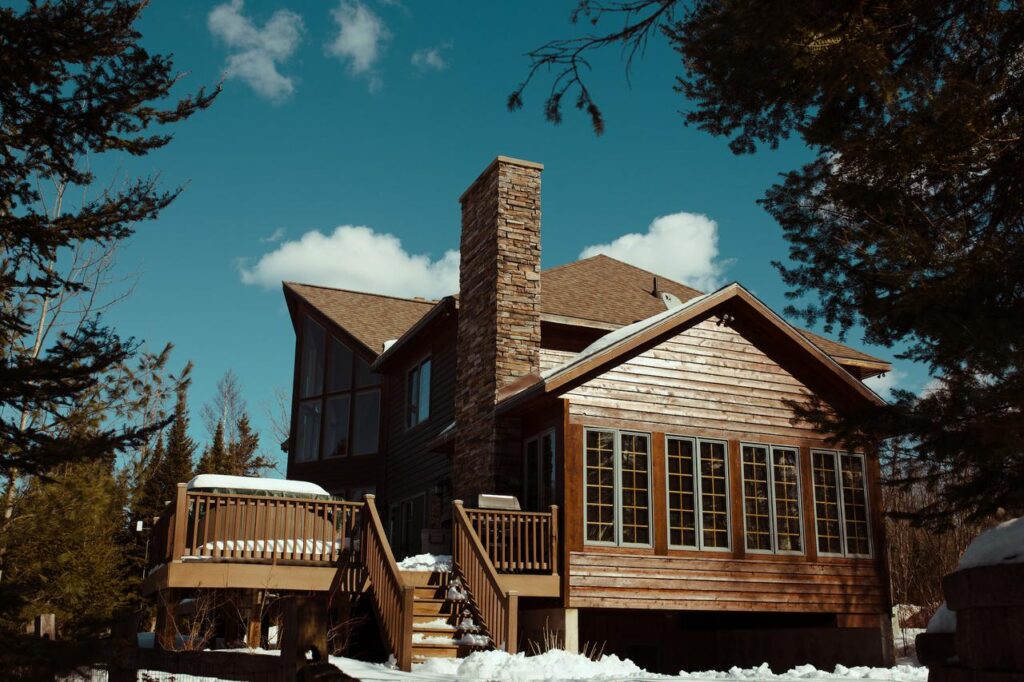
Whalehead Club - Corolla, NC - Outer Banks, NC


Indicators That You Need a Chimney Restoration.
Cracked or Missing Mortar.

One of the most common signs that a chimney is in need of restoration is cracked or missing mortar between bricks or stones. Mortar degrades over time, especially in older chimneys, compromising the structural integrity of the chimney and allowing moisture to penetrate.

Spalling Bricks or Stones.

Spalling occurs when moisture seeps into masonry materials, causing them to chip, flake, or break apart. This is a serious issue for historic chimneys, as it can lead to extensive structural damage if left unaddressed.

Leaning or Tilting Chimney.

A chimney that leans or tilts is a clear sign of structural instability. This issue is often caused by a weakened foundation or significant deterioration in the chimney’s materials. Immediate restoration is crucial to prevent collapse or further damage to your home.

Water Damage and Stains.

Water stains on your chimney’s exterior or interior walls, as well as visible signs of rust on the chimney’s metal components, indicate water infiltration. This issue is particularly concerning for historic homes, as prolonged exposure to moisture can weaken the entire chimney structure.

Efflorescence.

Efflorescence appears as white, powdery deposits on the surface of bricks or stones. This is a sign of moisture movement through the chimney, which can lead to structural weakening and eventual spalling if not addressed.

Deteriorated Flashing.

The flashing, which seals the area where the chimney meets the roof, is prone to wear over time. Damaged or missing flashing can allow water to leak into the home, causing further damage to the chimney and surrounding roof structure.

Poor Draft or Smoke Backup.

If your fireplace struggles to draw properly, or if smoke frequently backs up into your home, it could indicate blockages, structural issues, or damaged flue liners. A restoration can resolve these problems and improve the functionality of your chimney.

Schedule Your Chimney Restoration Today.

Protect your historic home and keep it cozy all year long with Capitol Chimney Service. As D.D. and Baltimore’s trusted chimney professionals, we have the experience and tools needed to restore your historic chimney to its original glory. You can learn more about what we offer online, or reach out to schedule your appointment today.
Chimney cap installation is a crucial aspect of maintaining a functional and efficient chimney system. As homeowners, we often overlook the significance of this small but mighty accessory.

Let’s delve into what a chimney cap is, why it’s beneficial, and provide insights on how to choose the right one for your home.

What’s a chimney cap?

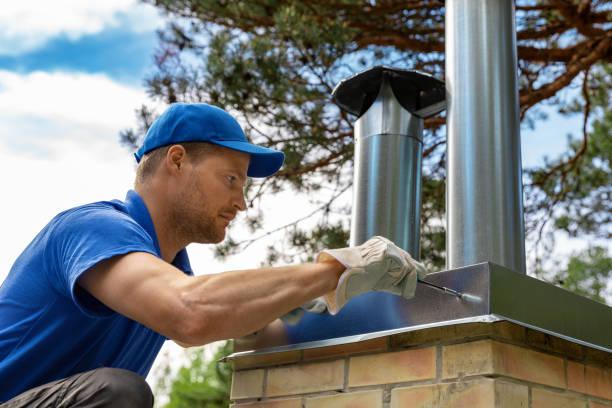
A chimney cap is a protective covering placed on the top of a chimney. Its primary function is to prevent debris, animals, and harsh weather elements from entering the chimney flue. While seemingly simple, a chimney cap plays a vital role in ensuring the longevity and optimal performance of your chimney system.

Chimney caps come in various designs, but they typically consist of a metal or mesh structure that covers the chimney opening. The mesh serves a dual purpose—it keeps out unwanted intruders while allowing smoke to escape freely.

4 primary benefits of installing chimney caps

1. Barrier against wildlife intruders

One of the most compelling reasons to invest in a chimney cap is its ability to keep wildlife at bay. Birds, squirrels, and other critters often find chimneys to be cozy nesting spots. Unfortunately, their presence can lead to blockages and even pose a threat of fire if nesting materials ignite.

A chimney cap provides an impenetrable barrier, preventing these uninvited guests from turning your chimney into their new home.

2. Prevents water damage

Water damage is a common cause of worry among homeowners with chimneys. Without proper protection, rainwater can seep into the chimney, causing structural damage and even affecting the interior of your home.

In addition to acting as a waterproof shield, a chimney cap redirects rain away from the chimney and safeguards your home from potential water-related issues.

3. Enhances chimney draft

Beyond protection, chimney caps contribute to the efficient functioning of your chimney. By preventing downdrafts and maintaining proper airflow, chimney caps enhance the overall draft of your chimney.

This not only ensures a smoke-free indoor environment but also maximizes the efficiency of your fireplace or stove.

4. Helps save energy by reducing heating costs

If you live in an area with colder climates, a chimney cap installation can be incredibly helpful for reducing energy costs around your home. Because they keep out cold air drafts, these chimney caps help ensure that waste heat is not lost due to chimney inefficiencies. This saves you a considerable amount of money on heating.

Furthermore, installed chimney caps don’t require expensive maintenance. Once installed, they only need a few checks and the occasional maintenance in case of clogs or damage.

Choosing the right chimney cap

There are a number of key factors to consider when choosing the right chimney cap for your home.

Understanding materials

Chimney caps come in various materials, including stainless steel, copper, and galvanized steel. Each material has its advantages and considerations. Stainless steel, for instance, is durable and corrosion-resistant, while copper adds a touch of elegance. Consider your budget and local weather conditions when making a choice.

Proper sizing matters

Size matters when it comes to chimney caps. An improperly sized cap may not provide adequate protection or hinder the proper draft. Our team at Capitol Chimney Service will work with you to ensure you choose the right size for your chimney.

Consider design and style

Beyond functionality, chimney caps come in different designs and styles. Consider one that complements the aesthetic of your home while still serving its practical purpose.

Look for additional features

Some chimney caps come with extra features, such as spark arrestors to prevent embers from escaping. Evaluate your specific needs and choose a cap with features that enhance safety and functionality.

Contact us for chimney cap installation in Maryland

Capitol Chimney Service boasts over 20 years of experience in handling a vast array of professional chimney services, including chimney repairs, inspections, cleaning, and chimney cap installations.

We are your ultimate resource for every chimney service you need to keep your chimney system in top running condition year-round. Call us today at (301) 962 0120 or fill out our contact form to get started.

In this in-depth exploration, we delve into the often-overlooked yet crucial element of chimneys—the chimney cap. Learn why chimney caps matter, their role in chimney health, and how Capitol Chimney Service excels in handling maintenance, repairs, and replacements.

Understanding Chimney Caps:

Chimney caps, also referred to as rain caps or flue caps, are protective coverings installed atop chimneys. Crafted from materials like stainless steel, copper, or galvanized metal, these unassuming devices play a vital role in safeguarding your chimney from external elements, debris, and unwanted critters.

Why Chimney Caps Matter:
  1. Weather Shield: Chimney caps act as a shield against the elements, preventing rain, snow, and sleet from entering the chimney flue. This barrier is essential in averting water-related damage, such as rust and corrosion, which can compromise the structural integrity of the chimney.
  2. Debris Blocker: Without a chimney cap, your chimney becomes susceptible to debris like leaves, twigs, and small animals. The cap serves as a barrier, ensuring that these elements do not obstruct the chimney’s proper ventilation. Blockages can lead to reduced efficiency or, in more severe cases, chimney fires.
  3. Added Safety: Some chimney caps come equipped with spark arrestors, providing an extra layer of safety by preventing sparks from escaping and potentially causing fires outside the chimney.
Maintaining, Repairing, and Replacing:
  1. Regular Checks: Capitol Chimney Service recommends an annual chimney inspection to assess the condition of the chimney cap. Early detection of issues allows for prompt intervention, preventing more extensive damage.
  2. Cleaning Routine: Over time, chimney caps can accumulate creosote, soot, and debris. Regular cleaning is essential to ensure the cap functions optimally, preventing potential blockages.
  3. Quick Repairs: Addressing wear and tear promptly is crucial. Capitol Chimney Service’s skilled technicians are adept at identifying and repairing issues, preventing further deterioration of the chimney cap.
  4. Smart Replacement: As chimney caps age, they may require replacement. Capitol Chimney Service assists in selecting a suitable replacement cap and ensures a seamless installation process.
How Capitol Chimney Service Can Help:
  1. Thorough Inspections: Capitol Chimney Service’s comprehensive inspections cover all aspects of your chimney system, including a meticulous examination of the chimney cap. This ensures that any potential issues are identified and addressed promptly.
  2. Skilled Repairs: The experienced technicians at Capitol Chimney Service excel in chimney cap repairs. From minor wear and tear to more significant damage, their expertise ensures the longevity and effectiveness of your chimney cap.
  3. Quality Replacements: When the time comes for a new chimney cap, Capitol Chimney Service guides you through the selection process. Their commitment to quality ensures that you receive a durable and effective replacement cap.
Why Go Professional:
  1. Experience Counts: Capitol Chimney Service’s team brings years of industry experience to the table. Their seasoned technicians possess the knowledge and expertise needed to address a wide range of chimney concerns.
  2. Safety First: Chimney work involves inherent risks. Professional services prioritize safety, with trained experts equipped with the necessary gear to execute tasks safely and efficiently.
  3. One-Stop Service: Capitol Chimney Service is your comprehensive solution for chimney care. From inspections and routine maintenance to repairs and installations, their services cover the entire spectrum of chimney-related needs.
Conclusion:

In the intricate tapestry of chimney care, the modest chimney cap emerges as a critical player. With Capitol Chimney Service at your side, you can trust that your chimney cap—and, by extension, your entire chimney system—is in capable hands. Don’t wait for problems to surface; schedule a thorough inspection today and secure the long-term health and functionality of your chimney. In choosing Capitol Chimney Service, you’re investing in the expertise needed to keep your chimney system operating at its best for years to come.

As the weather gets colder, you may have started to use your chimney again to keep your home warm and cozy. However, like any other household utility, your chimney may face some issues that can cause safety hazards and lead to costly repairs if not fixed right away. In this blog post, we will discuss eight common chimney problems that homeowners may face and how to fix them.

8 Signs You Need Chimney Service ASAP

Creosote Buildup

If you use your fireplace or wood stove frequently, you may have heard of creosote buildup. Creosote is a flammable substance that forms when smoke and gasses are emitted from burning wood and condense on the cooler surface of the chimney’s interior walls. If left untreated, creosote buildup has the potential to cause chimney fires. To prevent creosote buildup, make sure to have a certified chimney service clean your chimney at least once a year. If the buildup is already present, it’s best to call a professional to remove it.

Cracks in Masonry

Over time, the masonry that makes up your chimney can wear down, crack, or even crumble. This can be caused by moisture, the freeze-thaw cycle, or age. Not only is a damaged chimney unsightly, but it can also lead to safety hazards. Small cracks can be fixed with a coat of waterproof sealant, but larger cracks require a professional chimney service’s attention.

Obstructions

Chimneys can become obstructed by debris, birds’ nests, or animals. These blockages can cause smoke, gasses, and other harmful chemicals to enter your home. If you suspect any obstruction in your chimney, contact your local chimney service’s sweep to have it removed.

Damaged Chimney Caps

The chimney cap is the metal covering that sits on top of your chimney. It serves as a barrier from debris and animals, but also helps prevent water from seeping in. Water can enter if the cap is damaged or missing, leading to more significant issues like mold, rust, or even structural damage. A damaged cap can easily be replaced by a professional.

Smoke Backing Up

If you notice smoke coming back into your home when your fire is lit, this is a sign that your chimney isn’t working correctly. The most common causes of smoke backing up are blockages, a clogged flue, or negative air pressure. If you notice smoke coming back into your home, stop using your chimney immediately and call a professional chimney service to inspect and determine the cause.

Sagging

A sagging chimney can be caused by excessive weight on the exterior of the chimney, or by an unstable foundation. A sagging chimney has the potential to be very dangerous and must be addressed immediately by a professional.

Leaking

Water leaks into your home through the chimney can cause catastrophic water damage to walls and ceilings. The waterproofing treatment of the chimney is essential to prevent water from entering your residence. Do NOT delay in getting a water leak around your chimney fixed! The structural damage water can cause is expensive and difficult to fix.

Damaged Flue Liner

If the chimney’s flue liner is compromised, it can be impossible for proper airflow to take place. The best solution is to have the liner repaired or replaced by a professional chimney service.

Trust the Experts for Chimney Service

Your chimney provides warmth and comfort in your home during the colder months, but it’s essential to perform regular maintenance and inspections to ensure it’s working correctly and safely. By being aware of the common issues like creosote buildup, cracks in masonry, obstructions, damaged chimney caps, smoke backing up, leaking, sagging, and flue liner damage, you can take the necessary steps to prevent and fix any problems. Choose a trusted professional chimney service and have your chimney inspected annually to ensure it’s safe and in optimal condition for use.

Reach out to the experts at Capitol Chimney Service today for a comprehensive evaluation or maintenance.

Many homeowners opt to convert their traditional wood-burning fireplace to gas one because they provide the ambiance of a real fire with the convenience of flipping a switch—no more hauling wood and scooping ashes.

While gas fireplaces require less maintenance after a fireplace restoration, they still need regular care and inspection to keep them operating safely and efficiently for years. Keep reading to learn how to maintain a gas fireplace.

Schedule annual professional maintenance.

The best way to maintain your gas fireplace is to have it professionally serviced once a year. A technician will inspect the various parts, including:

  • Checking the gas pressure
  • Looking for leaks in the gas line
  • Inspecting burners and pilots for blockages
  • Cleaning the air intake and exhaust
  • Replacing damaged parts, including logs

Techs can spot potential problems before they become big issues, such as debris blocking the pilot light or a leak in the gas line. Professional maintenance helps ensure your fireplace provides cozy heat when you want it.

Annual maintenance involves a 21-point inspection. After performing all the required checks, the technician will verify proper operation. They can also make adjustments to optimize efficiency.


Keep the firebox clean.

While you no longer have to scoop ashes, some debris can still accumulate in the firebox. The combustion air intake can draw in dust and lint to the burners.

Over time, this buildup can clog components like the pilot assembly and burners.

Add these cleaning steps to your weekly or monthly maintenance (depending on how often you use your fireplace).

  • For light dust, use a soft brush attachment on your vacuum.
  • For heavier debris, remove logs/coals and clean them by hand.
  • Clean the glass doors with a damp cloth and gas fireplace glass cleaner. Use a brush for stubborn buildup.
  • Check the firebox walls and ceilings for flakes that should be brushed away.

A clean firebox optimizes heating performance and safety.

Inspect the chimney.

Gas fireplaces vent exhaust via the chimney, just like wood-burning fireplaces. Regular chimney inspections ensure proper ventilation of combustion gases.

If the chimney is blocked, dangerous gases can go back into the home. Maintenance technicians will examine the chimney and cap for blockages during annual service.

It’s also wise to do a DIY chimney inspection mid-year. Check for:

  • Animals/birds nesting
  • Leaves
  • Debris buildup
  • Deterioration of the bricks or cap

Proper ventilation prevents carbon monoxide from entering occupied areas of the home.

Replace logs and coals as needed.

Gas fireplaces use faux logs or coals over the burners to create the look and feel of a real fire. Over time, these may crack, crumble, or become sooty.

Replacing worn logs and coals improves the ambiance and heating efficiency. And damaged logs allow more heat to escape up the chimney. New refractory logs also protect the burners below.

Choose logs and coals designed for your fireplace make and model. They are crafted from durable refractory materials to withstand high temperatures. Purchase from your fireplace manufacturer or an authorized dealer.


Keep the glass clean.

Dirty fireplace glass doors block the flames and cut down on heat radiation into the room.

  • Use gas fireplace glass cleaner and a damp cloth for surface debris.
  • For heavy, burned-on buildup, you may need a brush or razor blade scraper.

Only clean the glass when the fireplace is cold.

Never use abrasive scouring pads or regular household cleaners on fireplace glass. They could scratch the surface, making buildup worse. Just a few minutes spent keeping the glass clean enhances your fireplace’s beauty and functionality.

After a fireplace restoration, Capitol Chimney Services can help with maintenance to keep it like-new.

By investing a little time in maintenance each year, your new gas fireplace will provide ambiance and warmth for decades to come. Improper maintenance can reduce efficiency, unpleasant odors, and even dangerous carbon monoxide leaks.

Contact the experts at Capitol Chimney Service today for professional gas fireplace maintenance and annual servicing. Keep fireplaces safe while increasing their longevity throughout D.C., Maryland, and Northern Virginia.

When it comes to keeping your home safe and warm all year round, your chimney plays an instrumental role—after all, who doesn’t love a cozy fire in the winter? Regular chimney inspections and cleanings are essential to ensure your chimney’s optimal performance and prevent potential hazards. Our team at Capitol Chimney Service, a trusted provider serving homeowners in the Washington, D.C., and Baltimore Metropolitan areas, understands the importance of maintaining a well-functioning chimney. To help homeowners like you keep their chimneys in tip-top shape, we’ve explored some key reasons why regular chimney inspections and cleanings are vital for the safety and longevity of not only your chimney but your home.

Ensuring proper ventilation and efficiency

Over time, soot, creosote, and debris can accumulate inside your chimney, obstructing proper airflow. This buildup can lead to poor ventilation, causing smoke and harmful gases to linger in your home instead of exiting through the chimney. Regular inspections and cleanings by a professional chimney service, such as Capitol Chimney Service, ensure that your chimney remains clear of obstructions, allowing for efficient ventilation and minimizing the risk of carbon monoxide poisoning.

Preventing chimney fires

The accumulation of creosote, a highly flammable substance that forms as a byproduct of burning wood, poses a significant fire hazard. A neglected chimney with excessive creosote buildup can easily ignite, leading to a dangerous and potentially devastating chimney fire. Regular inspections and cleanings help remove creosote and other flammable materials, reducing the risk of chimney fires and protecting your home and loved ones.

Detecting structural issues

Chimneys are exposed to the elements year-round, making them susceptible to various structural issues. From cracked mortar to damaged liners, these problems can compromise the integrity of your chimney and pose risks to your home’s safety. During inspections, trained professionals can identify and address structural issues early on, preventing further damage and expensive repairs down the line. Timely repairs ensure that your chimney remains sturdy and reliable for years to come.

Identifying animal intrusions

Chimneys often provide cozy nesting spots for birds, squirrels, and other small creatures seeking shelter. While these furry visitors may seem harmless, their presence can lead to blockages and damage within your chimney. During inspections, professionals can identify signs of animal intrusions and safely remove any nests or debris, preventing obstructions that may hinder proper chimney function.

Extending the lifespan of your chimney

Regular chimney inspections and cleanings are an investment in the longevity of your chimney. By addressing issues promptly and keeping your chimney clean, you can prevent premature deterioration and extend its lifespan. A well-maintained chimney not only enhances the safety of your home but also saves you from costly repairs or, in severe cases, the need for a complete chimney rebuild.

Compliance with safety regulations and insurance requirements

Regular chimney inspections and cleanings play a crucial role in meeting safety regulations and insurance requirements. Many homeowners’ insurance policies require proof of regular chimney maintenance to ensure compliance with safety standards. By staying up-to-date with inspections and cleanings, you demonstrate your commitment to maintaining a safe home environment. In the event of an incident or claim, having proper documentation of regular chimney maintenance can streamline the insurance process and provide you with the coverage you need.

Moreover, local building codes and regulations may stipulate specific requirements for chimney maintenance. By scheduling regular inspections and cleanings, you can stay informed about any code updates and ensure that your chimney meets all necessary safety standards. Compliance with these regulations not only enhances the safety of your home but also protects you from potential penalties or issues when selling your property in the future.

Get in touch with Capitol Chimney Service for chimney inspection services!

Maintaining a safe and efficient chimney is paramount for every homeowner. Regular chimney inspections and cleanings performed by professionals, like Capitol Chimney Service, offer peace of mind and ensure the well-being of your home and family. From promoting proper ventilation and preventing chimney fires to identifying structural issues and animal intrusions, the benefits of regular maintenance are numerous. Don’t wait for a disaster to strike—schedule your next chimney inspection and cleaning to keep your home warm, safe, and in optimal condition. At Capitol Chimney Service, with our years of experience and dedication to customer satisfaction, we can provide the knowledgeable and customized service you need to protect your chimney and your home.

As winter approaches, homeowners must prepare their homes for the colder months. That requires preparing various parts of the house, but one essential aspect of winterproofing you can’t ignore is waterproofing the chimney. Chimneys are susceptible to water damage, which can lead to costly repairs.

However, you don’t want to wait too late in the year before scheduling your waterproofing services, otherwise, your home may still be susceptible to damage. This guide outlines the importance of waterproofing and the ideal time of the year to do it.

Best time to start waterproofing a chimney.

The best time to start the waterproofing process is during the dry season. In Maryland, this is usually during the summer months, typically starting in August, although sometimes it can come sooner. By starting early, you have ample time to complete the waterproofing before winter arrives. Waiting until the last minute to call in the experts can be disastrous, as winter weather conditions can make it difficult to complete the process.

Benefits of waterproofing a chimney.
Prevents water damage.

Water damage is one of the most common problems that homeowners face. When water seeps into the chimney, it can cause structural damage, leading to costly repairs. Waterproofing your chimney prevents water from penetrating the masonry and causing damage.

Increases chimney lifespan.

Water damage can significantly reduce the lifespan of your chimney. By waterproofing it before winter arrives, you can extend its lifespan and ensure that it lasts for many years to come.

Improves energy efficiency.

Proper and professionally done waterproofing can improve the overall energy efficiency of your home. When water damage occurs, it can affect the insulation of your chimney, causing heat loss. By having it waterproofed, though, you can prevent heat loss and save on energy bills.


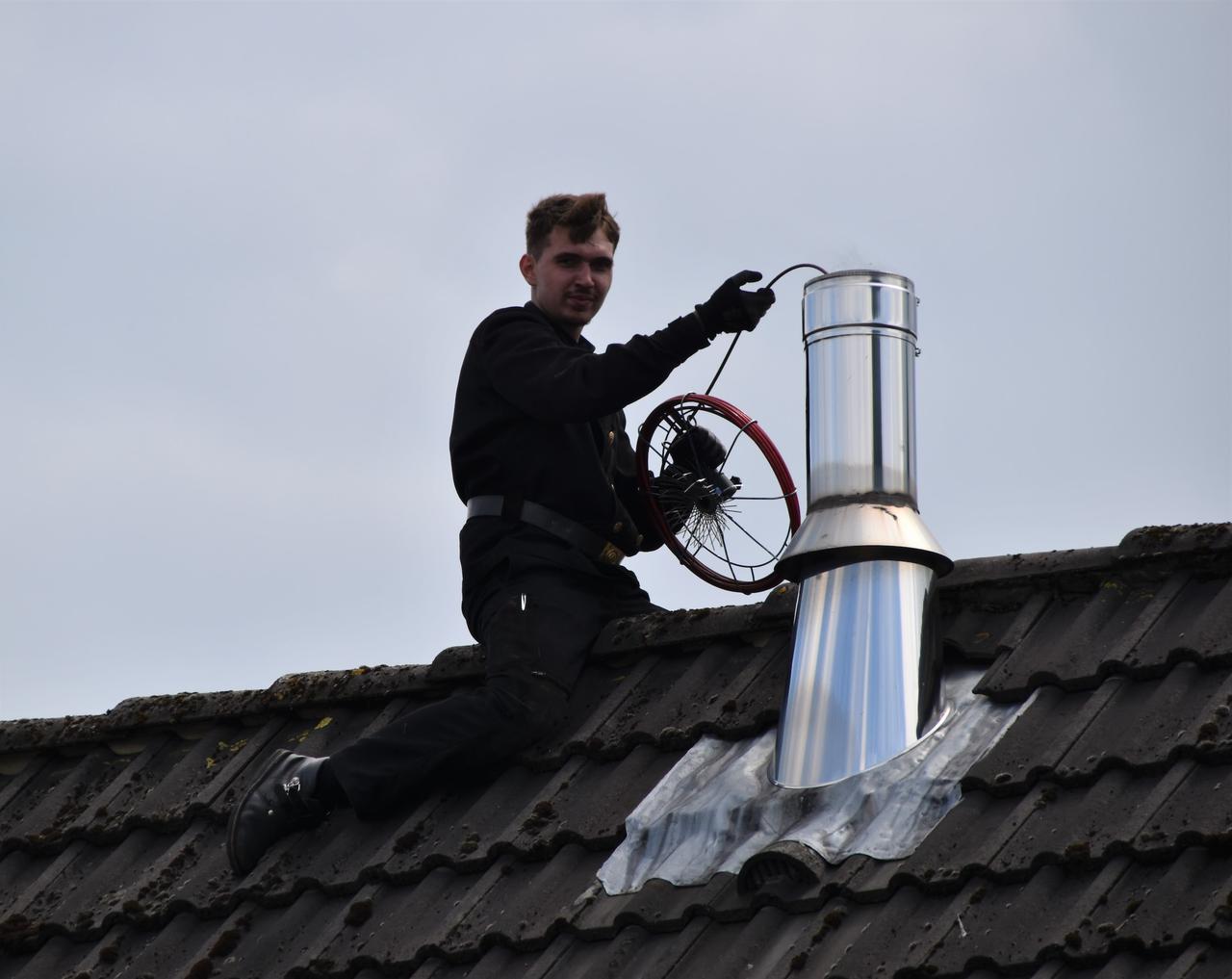
Chimney Sweeper at work


Prevents mold and mildew growth.

Water damage can lead to mold and mildew growth, which can cause health problems for you and your family. As the particulates circulate throughout the air, you may experience itchy eyes, nasal congestion, or even respiratory issues. By ensuring your home is waterproofed, you can prevent water from entering your home and avoid mold and mildew growth.

Increases home value.

This process can also increase the value of your home. When potential buyers see that your chimney is waterproofed, they know that they won’t have to worry about water damage, making your home more attractive to buyers.

Different chimney waterproofing methods.

Chimney sealants.

Chimney sealants are products designed to penetrate the pores of the masonry and create a waterproof barrier. These sealants can be applied to the exterior of the chimney and are an effective way to prevent water from seeping into the chimney.

Chimney coating.

Experts apply this option to the exterior of the chimney to create a waterproof barrier. These coatings can be made from a variety of materials, including silicone, acrylic, and latex.

Chimney membranes.

Finally, this final option is also applied to the exterior of the chimney. However, these membranes are made from a rubberized asphalt material and are highly effective at preventing water from penetrating the chimney.

Get your home ready for the upcoming winter season.

Here at Capitol Chimney Service, we know that chimneys can be the most exposed component on our homes and yet, the least considered at times. With the winter season right around the corner, now’s the time to ensure your home is prepared for the upcoming harsh conditions. We offer professional waterproofing services designed to keep moisture out of your chimney, and now’s the time to schedule yours before it’s too late in the season.

You can learn more about our services, or contact us to schedule your appointment today.
Let's Talk

Get in touch with us for a free quote